Average Reviews:

(More customer reviews)`The New Irish Table' and `Irish Puddings, Tarts, Crumbles, and Fools' by Irish-American culinary journalist, Margaret M. Johnson who seems to provide low end books covering Irish culinary practice, beginning with her `The Irish Heritage Cookbook', also from Chronicle Books. The middle ground, being the `Julia Child' for Irish cooking is Darina Allen, along with husband, Tim Allen and mother in law, Myrtle Allen, all of the Cork culinary powerhouse, Ballymaloe House and Cooking School. The high end of modern Irish cooking is held by Irish-American culinary academician and chef, Noel C. Cullen. The ethnographic corner of Irish / Celtic foodways is filled out by `Celtic Folklore Cooking' by culinary writer and folklorist, JoAnne Asala of Chicago. There are many more Irish cookbooks to cover between now and St. Patrick's Day, but this pretty much covers most major points on the culinary compass for Irish cooking.
`The New Irish Table' and Cullen's `Elegant Irish Cooking' complement one another pretty well, as they both present recipes from modern Irish hospitality centers. The difference is that where Johnson is covering pubs and `bed and breakfast' style eateries, Cullen is covering dishes from Michelin one and two star restaurants in Ireland, as well as many of his own creations as a working chef, before he took up teaching at Boston University.
Between these two featured books, Johnson's Desserts book is a much more valuable addition to your cookbook collection, as it includes a lot of fancy and holiday desserts which I have not seen in any other good book on Irish cooking. The best thing about this book and its companion is that like a lot of Chronicle Books, it seems to be on a fast track to the Bargain Book table, both real and on-line. That means that at half price, this book is a real bargain for the cookbook collector with a genuine interest in dessert baking.
On the surface, this book seems to feature four basically different kinds of baking. The six chapters are:
1. Puddings
2. Tarts
3. Crumbles and Crisps
4. Fools and Flummeries
5. Tea Breads and Cakes
6. Christmas Treats
Anyone familiar with English cooking will recognize in the first chapter a wide range of desserts which the Anglo-Irish all lump together under the name of `pudding'. Actually, most puddings remind me a lot of French Toast, more properly called `pain perdu' by the French. They are all different ways of combining day old bread, custard, dried fruits and the like into a treat for the sweet tooth. Puddings and tarts, together, form a collection of dishes very familiar to those who know English sweets.
Crumbles and Crisps and Fools and Flummeries all seem remarkably like a style of dessert which is very popular in the United States and commonly associated with both the Pennsylvania Dutch and southeastern and south central styles of cooking. In Ireland, as in the United States, they are all primarily ways of combining stewed or jellied fruit with oats, milk and perhaps some custard. The thing that distinguishes `fools' from other similar desserts is the fact that they are made with gooseberries. A gooseberry, according to my `Berry Bible' illustration, looks a lot like a current, and just a bit like a blueberry, and seem to be common in the United States only in the northern west coast.
The breads and cakes chapter visits the most widely familiar realm of Irish baking, the world of soda breads and scones. This realm is covered much better in Tim Allen's `The Ballymaloe Bread Book', but the last chapter in this book makes the whole book worth the budget price of admission.
This last chapter is a bonanza for those looking for something interesting to bake for Christmas, especially if you are fond of confections which include a bit of stout or Irish whiskey in the ingredients. This chapter brings the tired old fruitcake into a whole New World of cakes, puddings, ice creams, breads, mince pies, and cider sauces.
The second book, `The New Irish Table' has but 70 recipes, all of which seem to be high end bar food, especially since about 75% of the pages are dedicated to appetizers and side dishes. The five chapters on recipes are:
Small Bites with 9 recipes for crackers, tartlets, pates, crostini, cheese bites, and chutneys.
Starters with 15 recipes for soups, salads, souffles, charlottes, sauces, and sabayon.
Main Courses with 16 recipes for fish, duck, chicken, lots of pork, lamb, venison, rabbit, and pheasant.
Side Dishes with 13 recipes of old standards such as colcannon, champ, boxty, cabbage, turnips, and leeks.
Sweets with 17 recipes for puddings, custards, brulees, cakes, tarts, cobblers, and crumbles.
All in all, if you already have one or two books on Irish savoury dishes and you get Johnson's dessert book, this volume becomes largely redundant. A lot of the sidebars between the two books are the same and the `Irish Table' simply confirms everything I already know about the heavy Irish use of apples, pears, berries, dairy, beer, whiskey, pork, and lamb.
Since you can get this cheap, I will recommend it as a small, inexpensive addition to your Irish cookbook collection. It may, however, be the first in line for regifting if you already own a few Irish cookbooks.
Click Here to see more reviews about: Irish Puddings, Tarts, Crumbles, and Fools: 80 Glorious Desserts
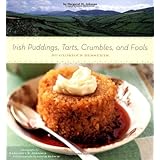
Everybody loves a fool -- especially made fluffy with ripe strawberries or tangy apple. From the author of The New Irish Table comes this celebration of the Emerald Isle's classic desserts. From lemony puddings and marmalade-slathered scones to fruit-filled tarts and berry-laden crumbles, these contemporary renditions of the traditional desserts of Ireland make perfect use of common staples such as oatmeal, fruit, dairy products, and, of course, whiskey. Steel-Cut Oat Pudding is enhanced with orange zest, nutmeg, and plump golden raisins. A chocolate, walnut, and caramel tart becomes a treat for grownups with a splash of the hard stuff. A final chapter offers the most memorable of holiday delectables including mincemeat tarts, Christmas pudding, and a really good fruitcake. A glossary and source list define and locate unusual ingredients. With gorgeous painterly photographs depicting the food and countryside, this wonderful cookbook serves as a sweet reminder of the people and cuisine of Ireland.


No comments:
Post a Comment